
The Global Impact of Mental Health on Productivity is Increasing
What Can Businesses Do About It?
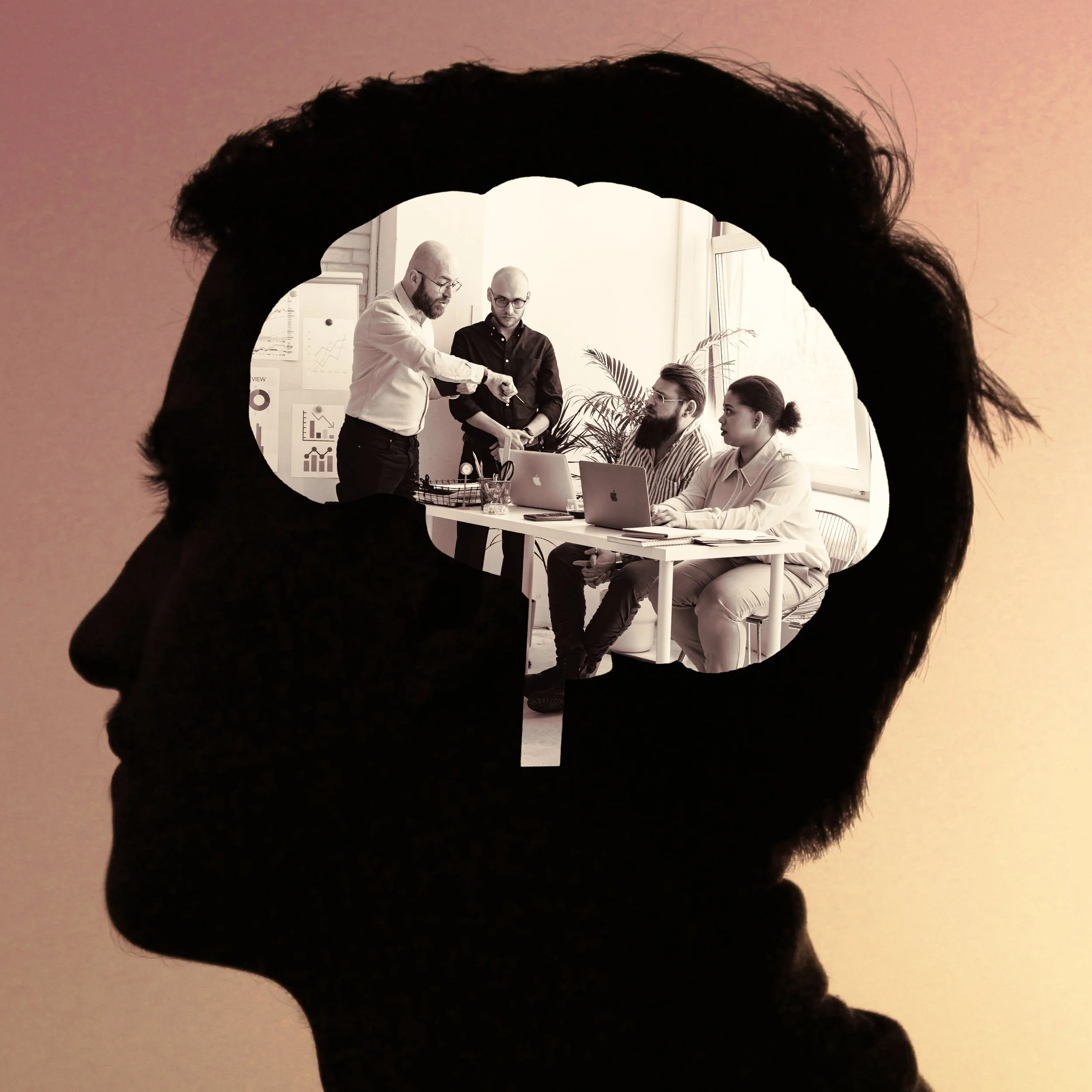
In their 2022 review, de Oliveira et al. defined absenteeism as “missed days from work” and presenteeism as “decreased productivity at work”. There is now a mounting pile of published papers, worldwide, proving the link between productivity and mental health. From just a brief look at some of them, the academic consensus seems clear. For example, both Hilton et al. (2010) and Bubonya et al. (2016) found that workers with greater levels of psychological distress had lower productivity. More specifically, cognitive impairment and presenteeism were higher among workers in poor mental health [Toyoshima et al. (2020)], while Bannerjee et al. (2017) found a strong link between absenteeism and the number of weeks worked. To look at this another way, both Uribe et al. (2017) and Chong et al (2012) found that workers with better mental health had a lower probability of absenteeism and fewer hours of presenteeism per month.
This will not be news to anyone who is involved in the daily running of a business. When you have less of your workforce available on any given day, the cost is obvious. Not only that, but it’s also obvious how detrimental it is to lose hours of productive work when your workforce has reduced capabilities.
The global economic burden of mental illness is estimated to hit $6.1 trillion in 2030. Most of this cost will be due to lost productivity, which falls into two types: absenteeism and presenteeism.
So, what can we do about this?
Interestingly, we can find some suggestions in the studies themselves. Bubonya et al. (2016) found that initiatives that help workers manage and limit job stress were promising at improving productivity. Furthermore, they also found that increased job control could help reduce absenteeism. Indeed, Bryan et al. (2020) found that conducive working conditions, such as having autonomy over work tasks, can help mitigate presenteeism.
It’s not just management strategies that can help. As we’ve covered in our more in-depth article here, your workplace surroundings can have a massive impact on your mental health. In particular, research has shown that everything from your auditory environment to lighting has a real, tangible effect on your psychology and as a result, on your ability to work. We will also be discussing some tangible things that have a real impact on the productivity of your workspace next week.
“Your workplace surroundings can have a massive impact on your mental health”
Every year, a huge number of hours — even days — are lost to reduced mental health and its impact on the workforce’s capabilities. This reduced productivity has a very tangible cost to the economy. The weight of research over the last couple of decades, has proved the link between mental health and productivity to be undeniable. Knowing this the question we face is: